Roentgenium
111
Rg
Groep
11
Periode
7
Blok
d
Protrone
Elektrone
Neutrone
111
111
170
Algemene Eienskappe
Atoom Nommer
111
Atoommassa
[281]
Massa Nommer
281
Kategorie
Oorgangsmetale
Kleur
n/a
Radioaktief
Ja
Vernoem na Wilhelm Conrad Röntgen, die Duitse fisikus
Kristalstruktuur
n/a
Geskiendenis
Roentgenium is vir die eerste keer gesintetiseer deur 'n internasionale span gelei deur Sigurd Hofmann by die Instituut vir Swaar-ioon-navorsing (Gesellschaft für Schwerionenforschung) in Darmstadt, Duitsland in 1994.
Die span het 'n teiken van bismut-209 met versnelde kerne van nikkel-64 gebombardeer en 'n enkele atoom van die isotoop roentgenium-272 opgespoor.
Die span het 'n teiken van bismut-209 met versnelde kerne van nikkel-64 gebombardeer en 'n enkele atoom van die isotoop roentgenium-272 opgespoor.
Elektrone per skil
2, 8, 18, 32, 32, 17, 2
Elektronkonfigurasie
[Rn] 5f14 6d9 7s2
Roentgenium het geen stabiele of natuurlik voorkomende isotope nie
Fisiese Eienskappe
Fase
Soliede
Digtheid
- g/cm3
Smeltpunt
-
Kookpunt
-
Smeltwarmte
n/a kJ/mol
Verdampingswarmte
n/a kJ/mol
Spesifieke Hitte Kapasiteit
- J/g·K
Oorvloed in die aardkors
n/a
Oorvloed in die heelal
n/a
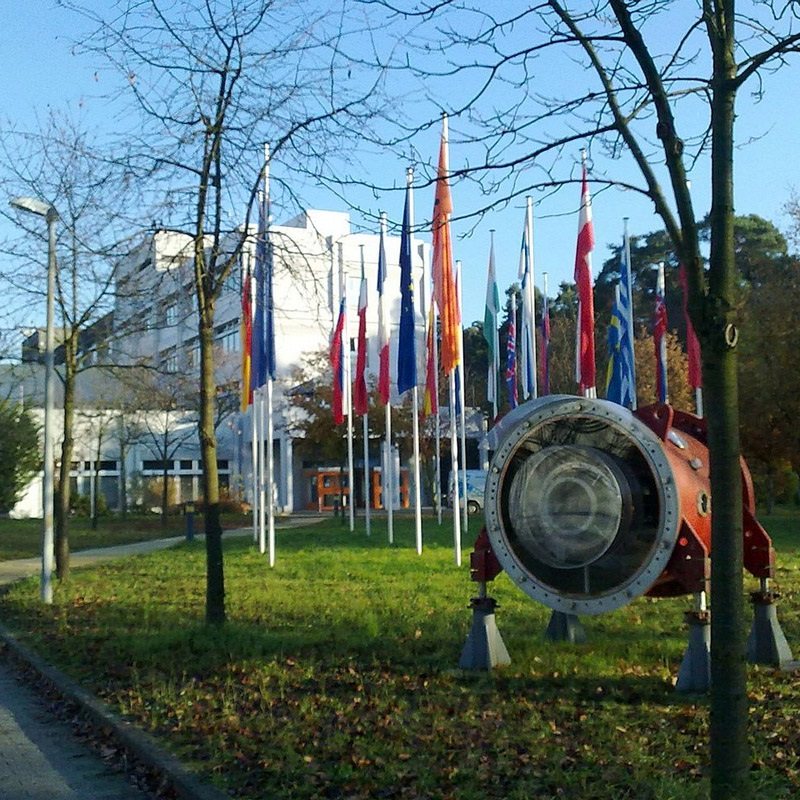
Beeld Krediete: Wikimedia Commons (Commander-pirx)
Die element is ontdek by die Instituut vir Swaar-ioon-navorsing in Darmstadt, Duitsland
CAS Nommer
54386-24-2
PubChem CID Nommer
n/a
Atomiese Eienskappe
Atoom radius
-
Kovalente Radius
121 pm
Elektronegatiewiteit
-
Ionisasie potensiaal
-
Atoom volume
-
Termiese geleidingsvermoë
-
Oksidasiestate
-1, 1, 3, 5
Elektronaffiniteit
151 kJ/mol
Ioniseringsenergieë
-
Toepassings
Roentgenium word slegs gebruik vir wetenskaplike navorsingsdoeleindes.
Roentgenium is skadelik as gevolg van sy radioaktiwiteit
Isotope
Stabiele Isotope
-Onstabiele Isotope
272Rg, 273Rg, 274Rg, 275Rg, 276Rg, 277Rg, 278Rg, 279Rg, 280Rg, 281Rg, 282Rg, 283Rg